



Destination STEM at Auburn University gives rural Alabama students hands-on science experiences, inspiring curiosity and future careers in STEM.
September 02, 2025

Auburn's Department of Geosciences launched its first summer project, blending labs, fieldwork and community partnerships to inspire future scientists.
September 02, 2025
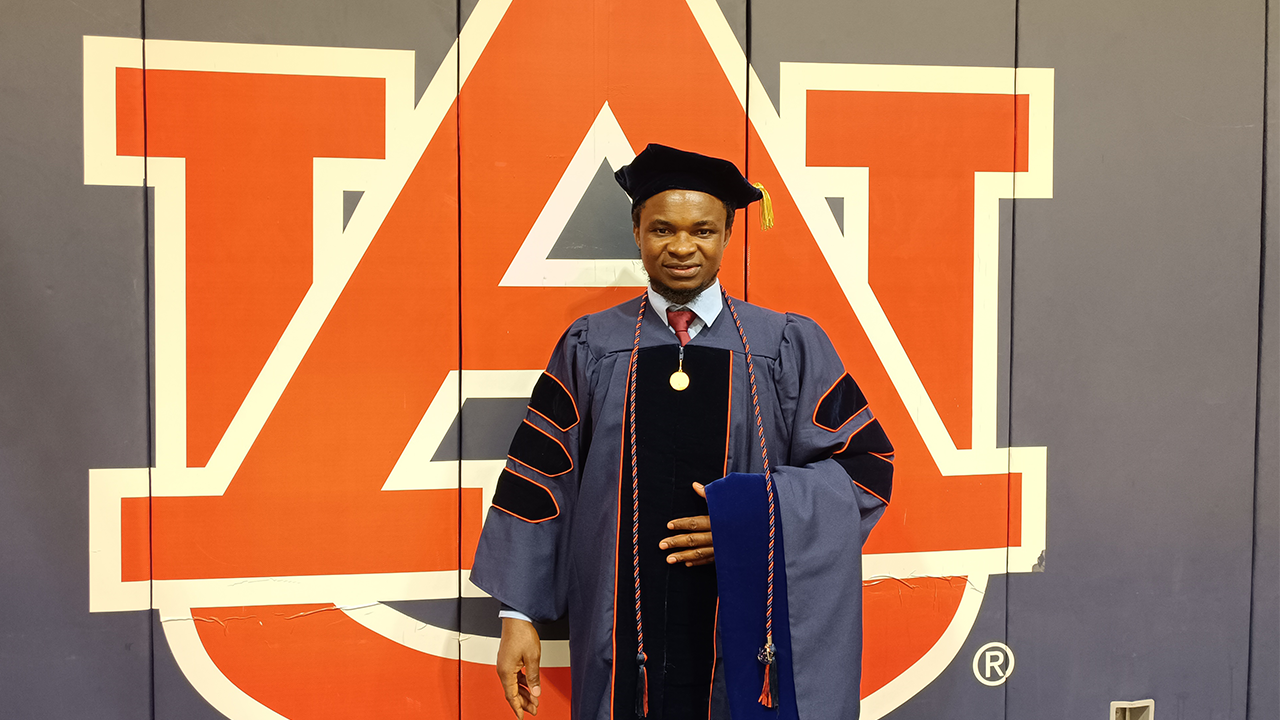
Auburn University's College of Sciences and Mathematics celebrates the first graduates of Alabama's only doctorate in statistics and data science.
September 02, 2025

Auburn University's COSAM Summer STEM Institute equips educators with evidence-based teaching strategies to foster inclusive, student-centered learning across disciplines.
September 02, 2025

COSAM Outreach, in partnership with the I-STEM Connectory, delivered a record 67 days of STEM professional development for over 600 K-12 teachers across Alabama and Georgia, strengthening STEM education through hands-on training and educator support.
August 29, 2025
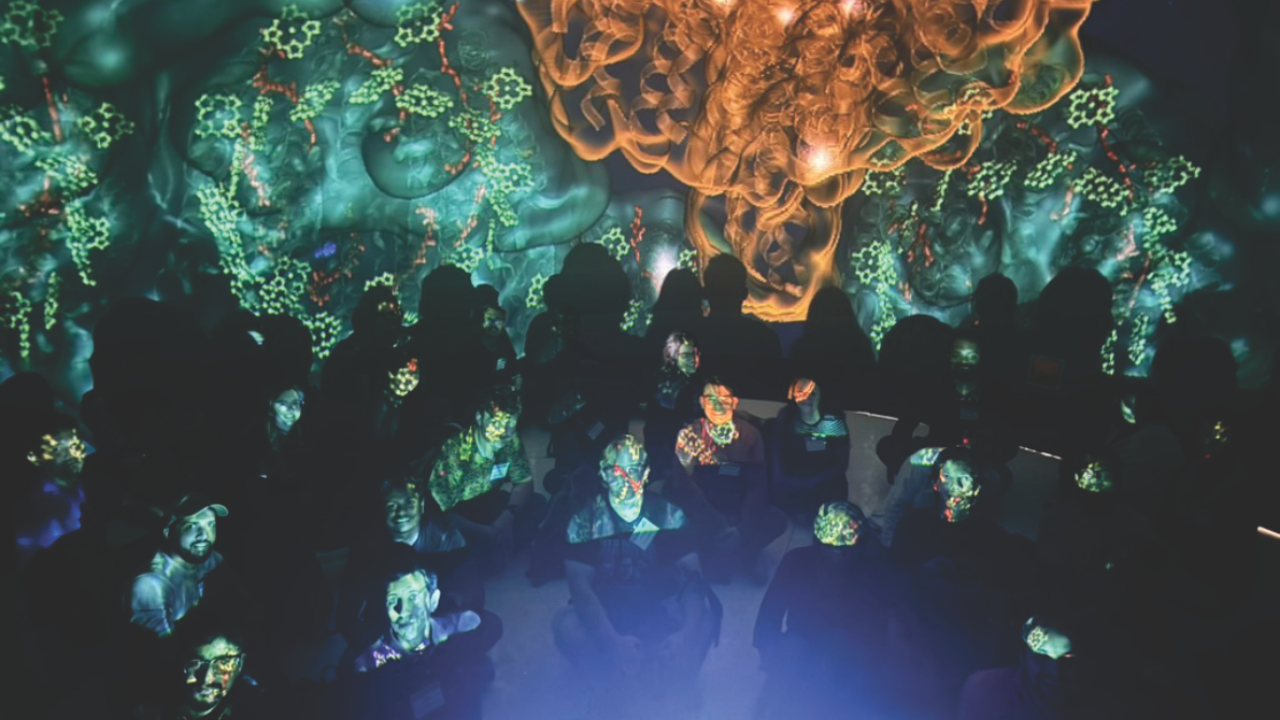
Auburn University hosted a global computational biophysics workshop led by COSAM's Rafael Bernardi, training students and researchers to use NAMD and VMD, two leading tools for simulating and visualizing molecular dynamics. The event drew international participants, combined lectures with hands-on problem solving, and highlighted Auburn's growing role in advancing molecular research and collaboration.
August 26, 2025

Auburn University's Geo Explorer, the world's largest mobile geosciences lab, brings hands-on science to schools and communities. Featuring glow rocks, microfossils, an augmented reality sandbox, and a tornado tunnel, the lab sparks curiosity, inspires future scientists, and gives Auburn students opportunities to connect science with the public.
August 26, 2025

While #fatcat drives engagement on social media, Auburn research suggests feline weight monitoring capabilities could soon rest in the palms of pet owners' hands, with the help of AI.
August 26, 2025
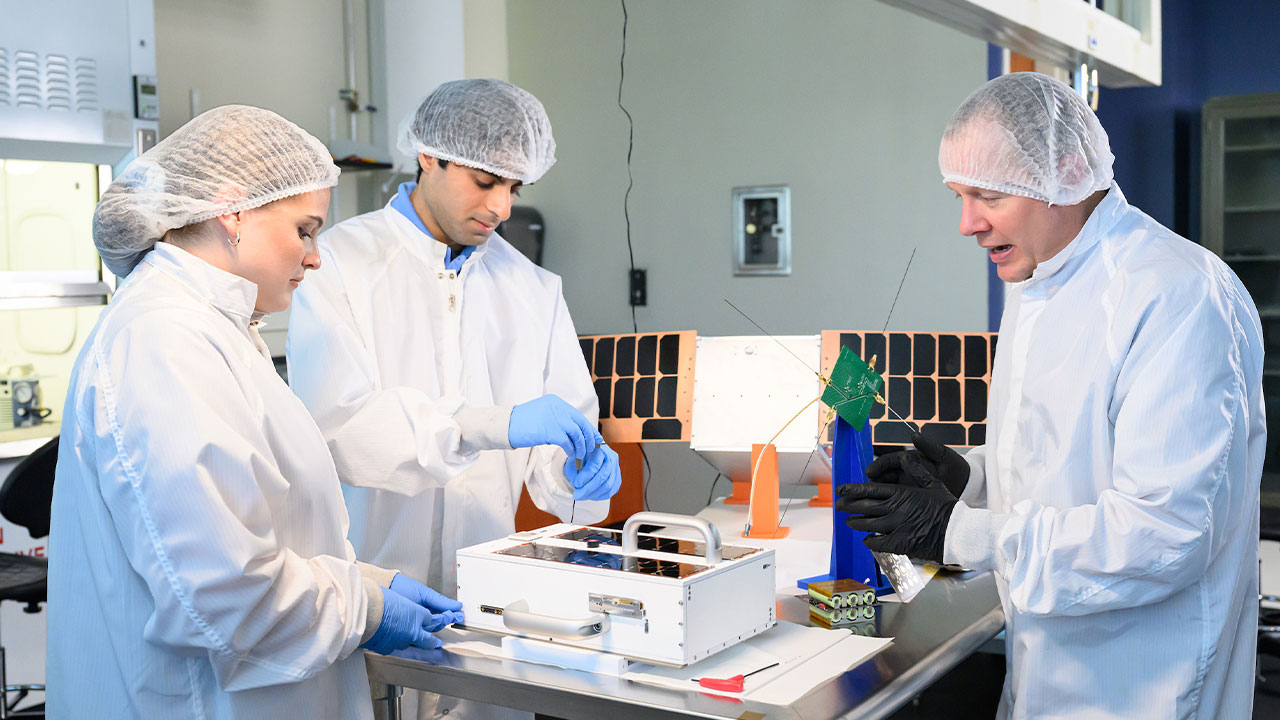
Through the Auburn University Small Satellite Program, undergraduate and graduate students are on the front lines of space exploration, gaining hands-on experience designing, building and operating small satellites.
August 25, 2025

Auburn's Launch Your Societal Impact! workshop brought together 12 interdisciplinary teams to turn research into real-world solutions. From smart health tech to environmental monitoring, the program highlighted how science at Auburn can drive measurable societal benefit.
August 19, 2025

Auburn physicists Shawn Oset and Zexi Xing helped lead an international effort to study 3I/ATLAS, only the third known interstellar object. In just days, their team moved from first observation to a published paper, detecting traces of water that could reshape how scientists understand planetary systems beyond our own.
August 19, 2025

Auburn University paleontologist Thomas Cullen is co-leading a $3 million international study of the mid-Cretaceous Thermal Maximum — a prehistoric period of extreme warming — to understand how ecosystems responded to rapid environmental shifts and what those patterns reveal about Earth's history.
August 14, 2025
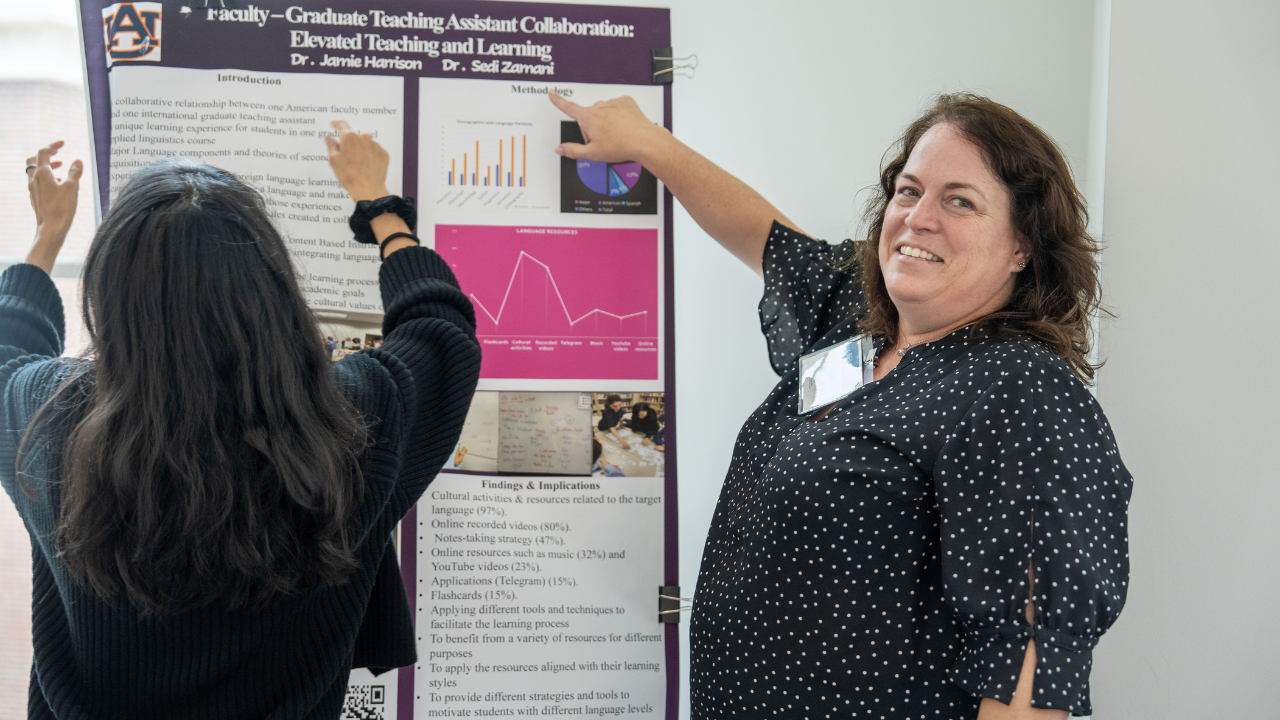
COSAM's weeklong field school brings together faculty and graduate students to explore how research can improve STEM teaching—and lays the foundation for a regional hub in education innovation.
August 08, 2025
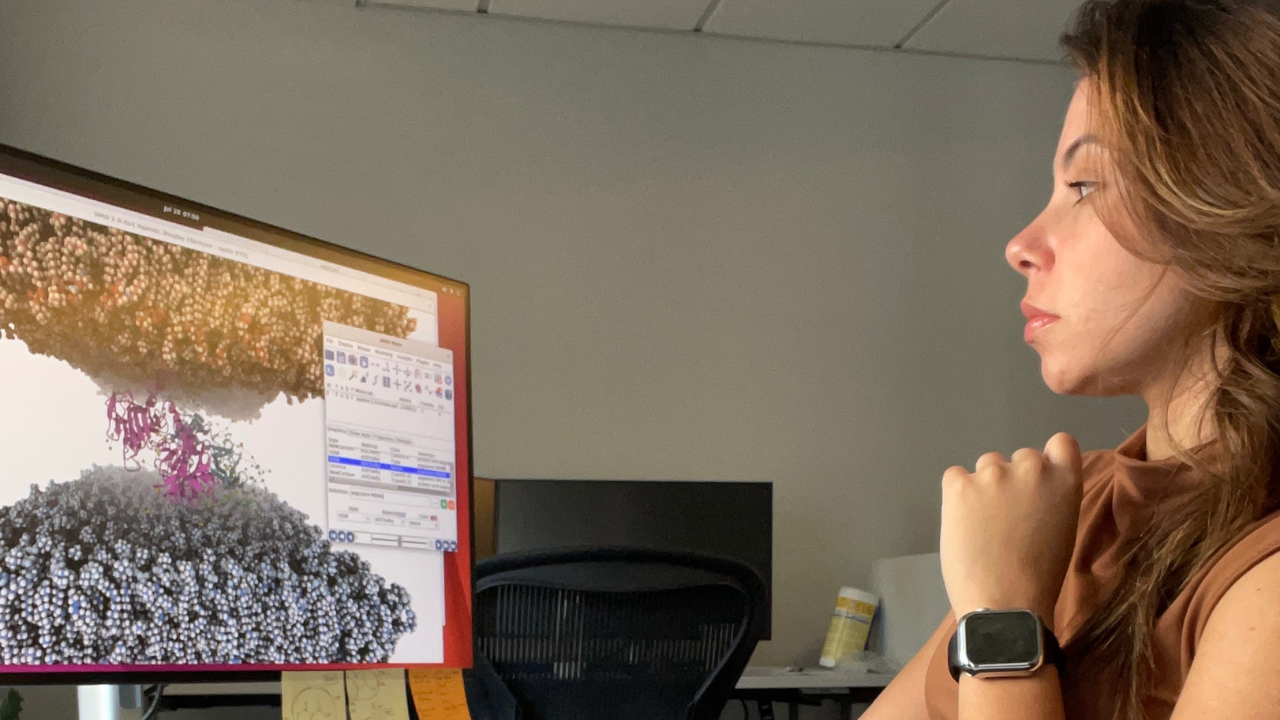
COSAM doctoral student Raissa Santos de Lima Rosa is interning at the Simons Foundation, studying collagen's physical properties while gaining hands-on experience in collaborative, cross-disciplinary science.
August 04, 2025

Michael Brown, associate professor of mathematics, received a National Science Foundation grant to explore connections between algebra, geometry and physics.
August 04, 2025

For 10 years, COSAM's Learning Assistant program has empowered undergraduates to support active learning in STEM courses — boosting student success, building confidence and transforming career paths.
July 31, 2025

With support from the ACS Petroleum Research Fund, COSAM researchers are uncovering how tar-like petroleum molecules called asphaltenes could power future breakthroughs in electronics and energy storage.
July 28, 2025

Ariel Sharpe, a standout student-athlete and dual STEM major, is serving as COSAM's graduation marshal after excelling in the classroom, on the track and in the lab — all while staying grounded in faith and driven by a dream to serve others.
July 28, 2025

Science Matters Camp returned to Auburn this summer, engaging students in elementary grades 1–7 with hands-on STEM activities, themed learning and real-world discovery — from building roller coasters to collecting specimens alongside museum scientists.
July 25, 2025
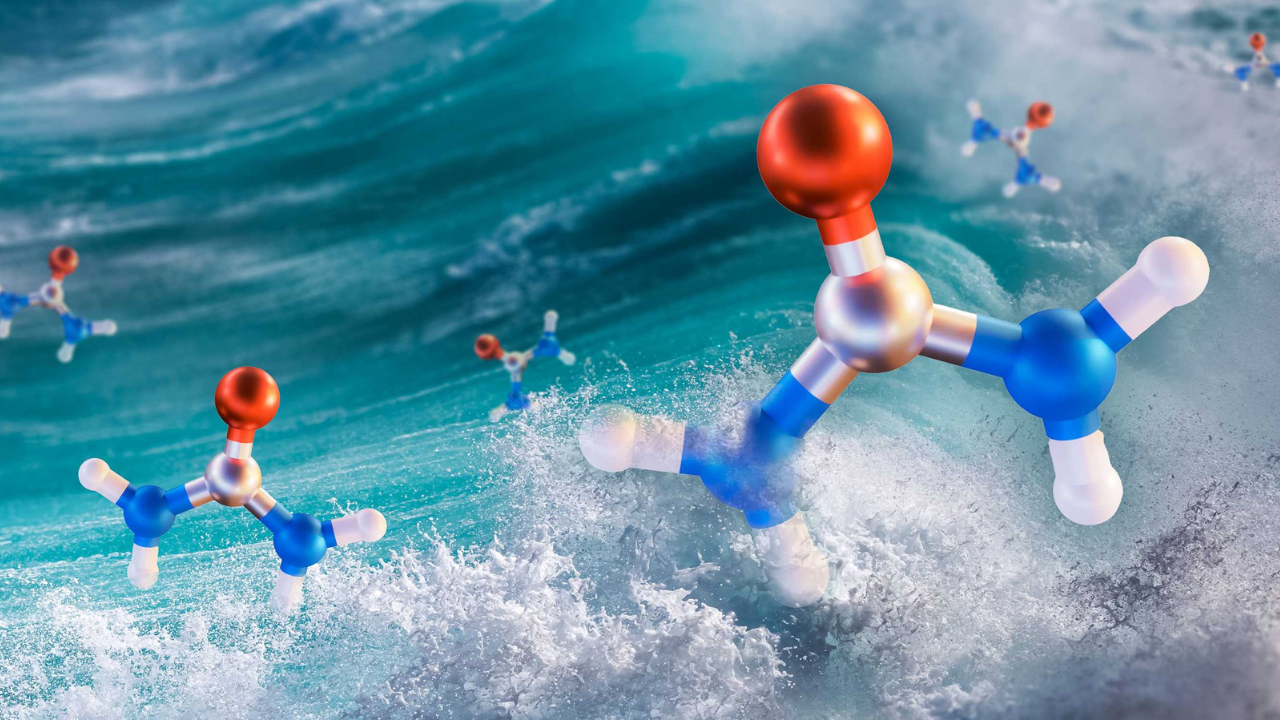
Auburn chemist Evangelos Miliordos helped explain how urea, a key industrial chemical, can form spontaneously inside saltwater droplets — offering new insight into sustainable manufacturing and the possible origins of life.
July 23, 2025

The week-long, enriching summer science experience brings high-achieving high schoolers to campus to explore advanced science topics with College of Sciences and Mathematics faculty members.
July 21, 2025


Auburn geology major Nathan Deese has been named Alabama's 2025 Outstanding Geology Student, recognized for his academic excellence, research contributions, and professional promise.
July 14, 2025

COSAM's new Code Explorers program trains K–2 teachers across Alabama to bring robotics and computer science into early elementary classrooms.
July 14, 2025

Researchers in Auburn's College of Sciences and Mathematics are helping lead a global effort to study a rare interstellar visitor. The comet 3I/ATLAS — only the third object ever observed from outside our solar system — offers a unique opportunity to investigate the building blocks of other planetary systems. With time secured on space telescopes like Hubble and James Webb, COSAM scientists are at the forefront of uncovering what this object can tell us.
July 10, 2025